Legal
Does This Problem Need an Attorney? Five Checks, and What Each One Costs in Hours
Most disputes are settled by a letter and a folder; a few are not. Five practical checks for telling them apart, counted in hours and daytime appointments rather than dollars.
LegalYolanda Escamilla
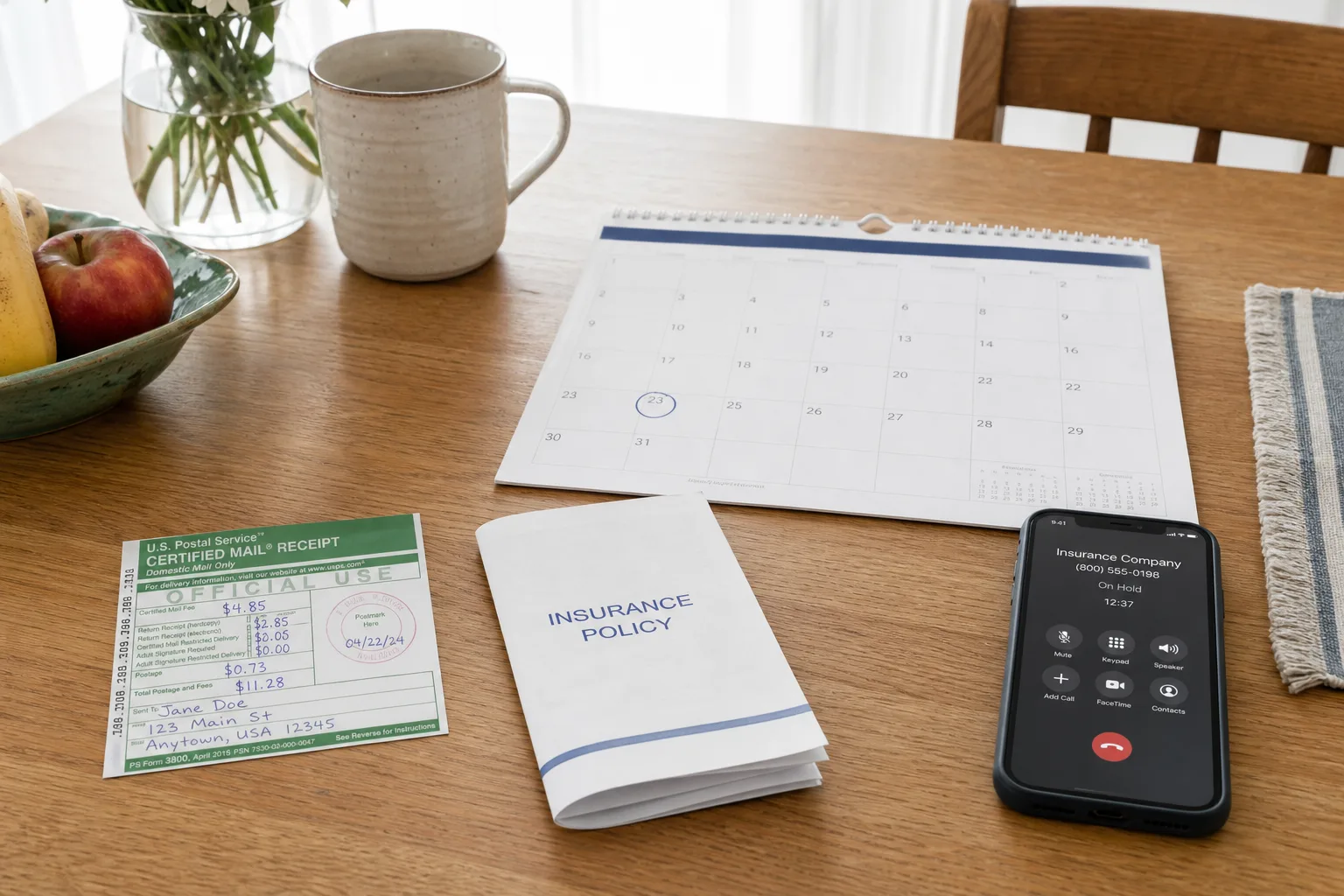
The question almost nobody asks first is how many weekday hours the problem is going to eat. Money gets the attention, because fees are quoted in numbers and numbers are easy to compare, but the real cost of a dispute is usually measured in phone calls placed from a parking lot, appointments that can only be scheduled between nine and four, and the slow erosion of a work schedule that was already tight. Some problems absorb that time whether or not a lawyer is involved. Others hand most of it to someone else. Knowing which is which, early, is the decision that actually saves you something.
One: find out whether anybody else has already brought counsel into it
If the letter in your hand came from a law firm, an insurer's litigation unit, or a corporate claims department rather than from a person, the shape of the problem has already changed. You are no longer talking to someone who can simply agree with you. You are talking to a process with internal approvals, a file number, and a schedule that is not yours. Responding to that on your own is possible, and plenty of people do it well, but it means learning a vocabulary while a clock runs. The practical test is simple: if the other side has delegated the matter to a specialist, matching that costs you far fewer hours than teaching yourself the same material at night.
The reverse is equally useful. A contractor who still answers the phone, a landlord who returns messages, a neighbor who disputes a boundary but will stand in the yard and talk about it: these are problems where a clear letter, sent certified, often does the work of a retainer. The Federal Trade Commission oversees a broad range of consumer complaints, and the complaint channels that exist at the state and federal level are built for exactly that stage, before anything is adversarial enough to need representation. Using them first costs you an evening, not a month.
Two: locate the deadline before you evaluate the merits
Every legal problem has at least one date on which your options narrow permanently, and those dates are rarely printed where you would look for them. A statute of limitations sets the outer boundary for filing suit, and it varies by state and by the kind of claim, sometimes dramatically. Inside that, there are shorter and sharper deadlines: notice provisions in a lease, a claim window written into a homeowners policy, a short period for giving written notice to a city or a school district before you can sue it at all. Missing one of those does not weaken a case. It ends it.
This check costs you perhaps two hours. Read the contract or the policy, write down every date and every notice requirement, and then call the clerk's office or a bar association referral line to confirm the outer limit for your claim type in your state. If the answer is years away, you have room to try the cheap route first and see whether it works. If the answer is months, or if the deadline depends on when you reasonably should have discovered something, you want a professional reading the calendar rather than you.
Three: look at how the fee would actually be charged
People assume that involving an attorney means writing a large check up front, and for some work it does. Hourly billing, usually in six-minute increments, suits disputes where the outcome is not a sum of money: a boundary line, a custody schedule, a dispute with a permitting office. Flat fees cover defined, repeatable work such as a demand letter, a will, an entity formation, a single appearance. Those are the arrangements where the hours are yours to manage and the bill grows with how much you escalate.
Contingency work is the other model entirely, and it is the one most people misjudge. In serious injury and assault cases, the firm takes a percentage of any recovery and advances the cost of investigation, with nothing owed if nothing is recovered. Someone hurt during a robbery in a poorly staffed store, for instance, would not pay out of pocket to have a Dollar Tree sexual assault attorney review whether the company's own security decisions contributed. The financial question in that category is not whether you can afford the help. It is whether the facts support a claim, which is a conversation that costs an hour and no money.
Four: ask who is physically able to collect the evidence
This is the check that decides more cases than people expect, and it is almost entirely about time and access. Retail surveillance footage is frequently overwritten on a cycle measured in days or a few weeks. Incident reports sit in a corporate risk management system that will not take your call. Prior complaints about the same location, staffing records, security contracts, and internal memos about the parking lot lighting all exist, and none of them are available to a private individual asking politely. A preservation letter sent quickly by a firm, followed by formal discovery, is the only reliable path to them.
Compare that to a dispute over a defective appliance, where the evidence is a receipt, a warranty document, a photograph, and a text thread you already have. You can assemble that in one sitting. The honest dividing line is whether the proof lives in your own files or in someone else's building, because gathering the first costs you a Saturday morning and gathering the second is not something you can do at all. When the evidence is held by the party you are in conflict with, representation stops being an expense and starts being the mechanism.
Five: price the problem in weekday hours, both ways
Run the week honestly. A self-handled dispute typically means three to six calls that can only be made during business hours, at least one in-person errand to a courthouse or records office, and a stack of correspondence that you draft after dinner and worry about before sleep. If the matter reaches a hearing, that is a full day off, sometimes two, with the possibility of a continuance that burns another one. For an hourly worker or anyone whose absence has to be arranged a week in advance, that is the real figure, and it belongs in the comparison alongside any fee.
Representation moves most of that load. You will still have appointments, still sign things, still sit for a deposition if it goes that far, but the calls, the filings, and the waiting on hold are no longer yours. Ask any firm you speak with how often you will need to be reachable during the day and who handles scheduling, because the answer tells you what the arrangement will actually feel like in an ordinary month. A good one will give you a specific answer rather than a reassurance.
Most problems resolve at the first check, with a letter, a date written on a calendar, and a folder kept in order. The ones that do not tend to announce themselves clearly: another lawyer on the other side, a short deadline, evidence behind a door you cannot open. That distinction is worth the hour it takes to make, and it is an hour you can spend on a weekend.