Legal
Contractor Walked Off a Half-Finished Bathroom? What Settling Costs Now Against Ten Years Ago
One narrow case, a bathroom remodel abandoned at seventy percent paid, shows how the settle-or-fight calculation has quietly moved in the homeowner's favor.
LegalBram Voskuijlen
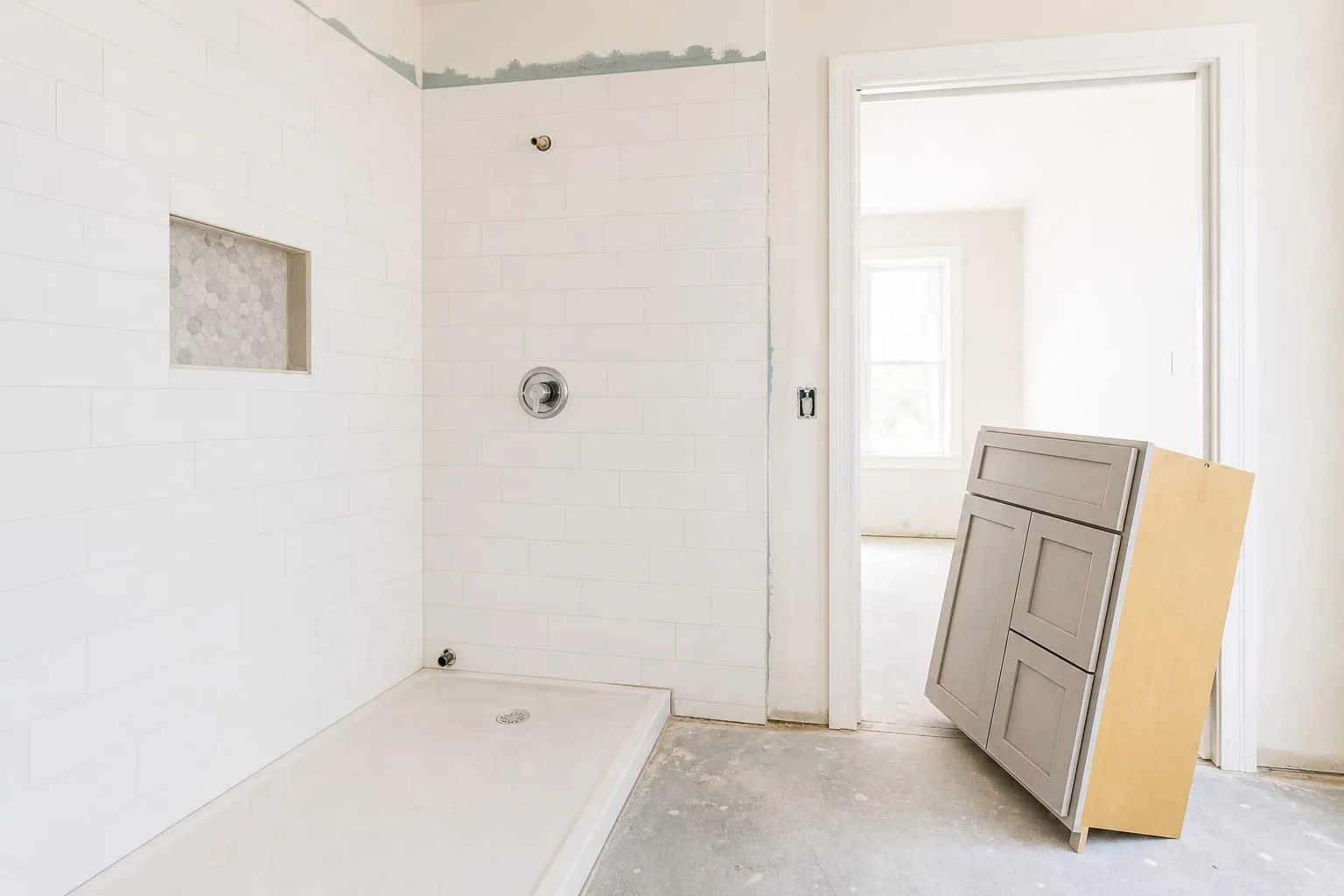
Take one case and hold it still. A bathroom remodel, contract price around eighteen thousand dollars, three quarters paid on a schedule the contractor wrote. The tile is up, the shower valve is roughed in and untested, the vanity is in a box in the garage, and the crew has not appeared in eleven days. Calls go to voicemail. The homeowner wants the job finished, or the balance back, or some combination that lets a second contractor pick it up without a fight. The question is whether to take a partial refund now or press for the whole thing.
The same abandoned bathroom, ten years apart
In 2015, a homeowner in that position had thin evidence and a slow clock. The contract was often two pages, sometimes a one-page proposal with a signature line. Change orders were verbal, agreed on the stairs and never written down. Progress was recorded, if at all, in a handful of phone photos with no reliable dates attached, and the conversations that mattered had happened out loud. Deciding whether to settle meant guessing what a judge would believe about a job nobody could see anymore, because the second contractor had already demolished the evidence to make the room usable.
Now the same dispute arrives with a file. Texts carry timestamps. The contract was signed through an e-signature service that logs the IP address and the minute. Payment ran through a card or an app rather than a check, which fixes the amounts and the dates beyond argument. Deposits, deliveries and delays sit in a searchable thread. The practical effect is that the homeowner can price the case rather than gamble on it, and the contractor knows the same file exists, which moves the opening offer before anyone files anything.
What the paper trail does to the number
A priced case settles differently from an unpriced one. With the thread in hand, the homeowner can build a real figure: amounts paid, the second contractor's written estimate to complete, the cost of correcting work that was done wrong, and the specific line items the original crew never touched. That is a number with parts, and each part has a document behind it. Ten years ago the same conversation was a negotiation between two impressions of what had happened. Today it is closer to a reconciliation, which tends to compress the gap between what is demanded and what is eventually accepted.
The change cuts both ways, and knowing that is what keeps a settlement decision honest. The contractor's file also exists. If the homeowner approved a tile change by text, delayed access for a week, or paid late twice, those messages are in the same thread and they reduce the claim. Reading your own file the way the other side will read it is the single most useful hour in the whole dispute, and it usually happens after the first offer rather than before, which is exactly the wrong order.
The clause that decides where this goes
The other quiet shift sits in the contract itself. Residential remodeling agreements now routinely carry provisions that were uncommon in a small firm's paperwork a decade ago: a notice-and-cure requirement giving the contractor a set number of days to return after written notice, a venue clause naming a particular county, an attorney fee provision, and in a growing share of cases an arbitration clause. Any one of those changes the settle-or-press calculation more than the underlying merits do, because they determine what pressing actually involves and what it costs to start.
Notice-and-cure deserves particular attention in the abandoned-job case, because it is often the cheapest lever available. A dated written notice, sent the way the contract specifies, either produces a crew on Monday or produces a clean record that the contractor was given the chance and did not take it. Homeowners tend to skip this step, having already made twenty phone calls, and reasonably feel the notice is a formality. It is a formality that decides who looks unreasonable later, which is most of what a settlement figure is made of.
Where the leverage actually sits now
Payment method has become part of the strategy in a way it simply was not when deposits moved by check. A card payment carries a dispute right with a real deadline, generally counted from the transaction or the expected delivery date, and the window closes long before a lawsuit would get moving. That makes the timing question sharper: a homeowner deciding whether to wait another month for the contractor to return may be spending the one remedy that requires no attorney. The Federal Trade Commission oversees unfair and deceptive practices in consumer transactions, and complaints filed there build a record even when they do not recover money.
Small claims has also become more accessible, with online filing and fee schedules published on court websites, and jurisdictional limits in many states now high enough to cover a dispute of this size. That matters to the settlement math because it lowers the cost of the alternative. When the realistic alternative to accepting six thousand dollars is a filing fee, an afternoon, and a printed text thread, the offer has to be closer to the number. Ten years ago the alternative was a retainer, and the retainer settled a great many cases quietly.
The point where settling wins
For this bathroom, the moment to take the money is usually the moment the remaining dispute is about a sum smaller than the cost of proving it. Once the second contractor's estimate is in writing and the completion path is clear, the argument narrows to a band of a few thousand dollars, and that band is where fees, time off work and the mechanic's lien risk start to outweigh the principle. A settlement that releases the lien, closes the account and puts the balance in writing is worth accepting slightly below the calculated figure, because certainty about the title is part of what you are buying.
What has genuinely improved is the ability to know where that line is before the conversation rather than after it. The file tells you what you can prove, the contract tells you where the fight would happen and how it would be paid for, and the payment method tells you how long the cheapest remedy stays open. A homeowner who spends an evening on those three things walks into the call with a number and a deadline, and disputes settled on that basis tend to close in weeks rather than seasons.
The bathroom still needs finishing. The point of getting the settlement decision right is that the second contractor can start on a Monday instead of after a hearing.