Legal
The First Legal Meeting Now Starts Days Early. What the Intake Rules Ask of You
Conflict checks, written fee agreements and remote consultations have moved most of the preparation for a first legal meeting into the week before it happens.
LegalYolanda Escamilla
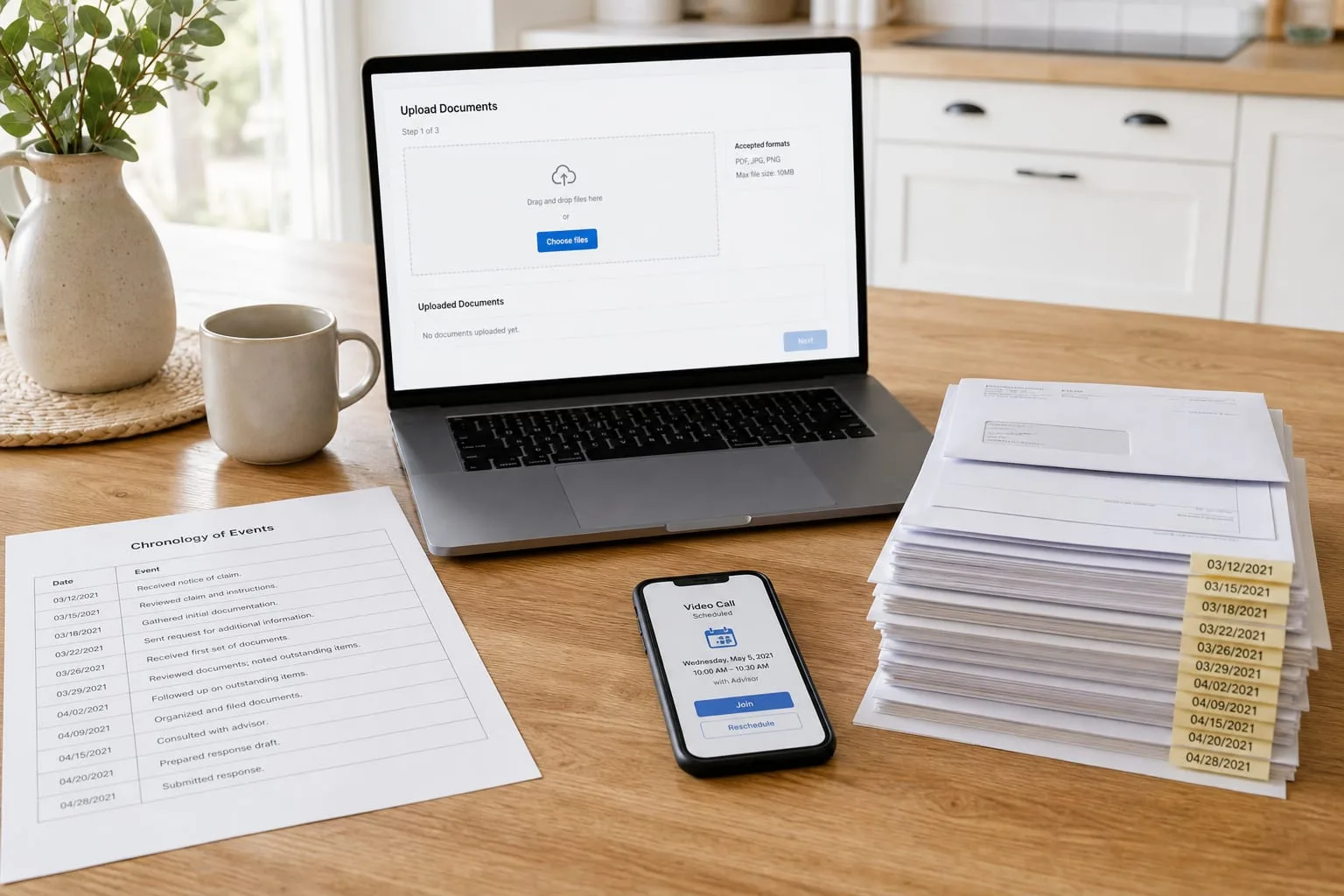
The hour you book with a lawyer is not the beginning of the matter anymore. Somewhere between the phone call and the appointment sits a stack of small procedural steps, a conflict check, an intake questionnaire, a fee agreement sent for signature, a document upload link, and each one costs you time in a different currency. Some of it is waiting. Some of it is your own evening, spent scanning. The offices that run these steps well can turn the meeting itself into something useful. The offices that run them badly will spend twenty minutes of your paid hour asking what happened.
The conflict check is the reason nobody can see you tomorrow
Before a lawyer can hear the substance of your problem, the firm has to establish that it is not already on the other side of it, or close enough to be compromised. That is a rule of professional conduct in every state, not a courtesy, and it has become slower as firms have grown and merged. What it means practically is that the names matter more than the story. Give the intake staff the full legal name of every person and business involved, including the parent company of the contractor and the landlord's LLC, and the check clears faster.
The reason this now creates a real delay is that many firms run the check against a central database covering multiple offices and every former client, which takes a day or two rather than a walk down the hall. If you withhold a name because you are not sure it is relevant, the check gets rerun after the meeting, and a conflict discovered late can cost you the whole relationship. So the preparation that saves the most time is the least interesting: a written list of parties, spelled correctly, with addresses.
The fee agreement arrives before you do, and that is deliberate
Written fee agreements used to appear at the end of a first meeting, after the handshake, as paperwork. State rules have pushed steadily in the other direction, with contingency arrangements requiring a signed writing almost everywhere and hourly engagements now routinely documented in advance because disputes over what was agreed are the single most common grievance a bar association handles. The practical effect is that you get the document by email, often through an e-signature service, sometimes days early. Read it then. That is the point of it arriving early.
Three things in that document decide how your time gets spent. The scope clause tells you what the firm has agreed to do and, more usefully, what it has not. The billing increment tells you whether a four-minute phone call costs you a tenth of an hour or a quarter. The communication term tells you who answers and how quickly, which is the difference between a matter you can manage around a workday and one that requires you to be reachable at eleven in the morning on a Tuesday. Ask about all three before you sign, not after.
Limited scope work changed what a first meeting is for
The most consequential shift of the last several years is that a first meeting no longer has to end in full representation. Most states now permit limited scope representation, sometimes called unbundled service, where a lawyer handles a defined piece of the matter, reviews a lease, drafts a demand letter, appears at a single hearing, and formally does not handle the rest. Courts in many jurisdictions adopted the forms and notice rules to support it, largely because so many people were appearing unrepresented and doing so badly. That option exists whether or not the firm raises it.
Preparing for that possibility changes what you bring. If the meeting might end with you doing the next step yourself, you need to leave with the deadline, the name of the filing, the standard the decision-maker applies, and a plain description of what a good version of your document looks like. So arrive having written down the question you most need answered, not a narrative of the dispute. A lawyer given a specific question can answer it in ten minutes. A lawyer given a story spends the hour organizing it.
The video consultation is faster, and the rules caught up to it
Remote first meetings stopped being an accommodation and became the default for intake at a great many firms, and the professional guidance followed, addressing where a lawyer may practice from, how client files may be stored in the cloud, and what confidentiality requires when the conversation happens over a consumer video platform. For you, the gain is measured in hours: no drive, no parking garage, no half day of leave burned on a forty-minute appointment. The loss, if you allow it, is that documents get discussed rather than examined.
So the preparation for a remote meeting is different in kind. Upload the documents through the firm's portal before the call rather than holding them up to the camera, and name the files so a stranger can tell what they are: the date first, then what it is, then who sent it. Take the call from a room with a door, because privilege protects what you say to your lawyer and not what your roommate overhears. And confirm in advance that the lawyer is licensed where your matter will be decided, which is the one thing video quietly makes easy to get wrong.
Build the file the way the office will actually use it
A chronology does more work than any other single document you can prepare. One page, dates down the left, one line each, what happened and who did it, with the dollar figures where they belong. Behind it, the contract, the correspondence in the order it was sent, the invoices, the photographs with dates, and any letter with a deadline printed on it. If a federal agency is already involved, say the Federal Trade Commission, which oversees consumer protection enforcement, or a state agency, put the complaint number and the date you filed on the first page.
What this buys you is not a discount. It is the difference between one meeting and three. Every fact the lawyer has to extract from you in conversation is a fact you could have handed over on paper at no cost, and the extraction is what fills the hour. Bring the file, bring the chronology, bring your written question, and bring a note of the dates you cannot be reached, because scheduling around a job is a real constraint that a good office will plan around if it knows about it early.
Ask, at the end, what happens next and who does it. Get the answer in writing, even if it is a two-line email you send yourself and copy to the firm. That single habit turns a first meeting from an introduction into the first completed step of the matter.