Health
Told to Keep Everything Seven Years? Which Records Age Out, and Which Never Do
The seven-year rule most households follow answers only one question, and the records that cause real trouble are the ones tied to an asset or a local rule rather than a tax year.
HealthBram Voskuijlen
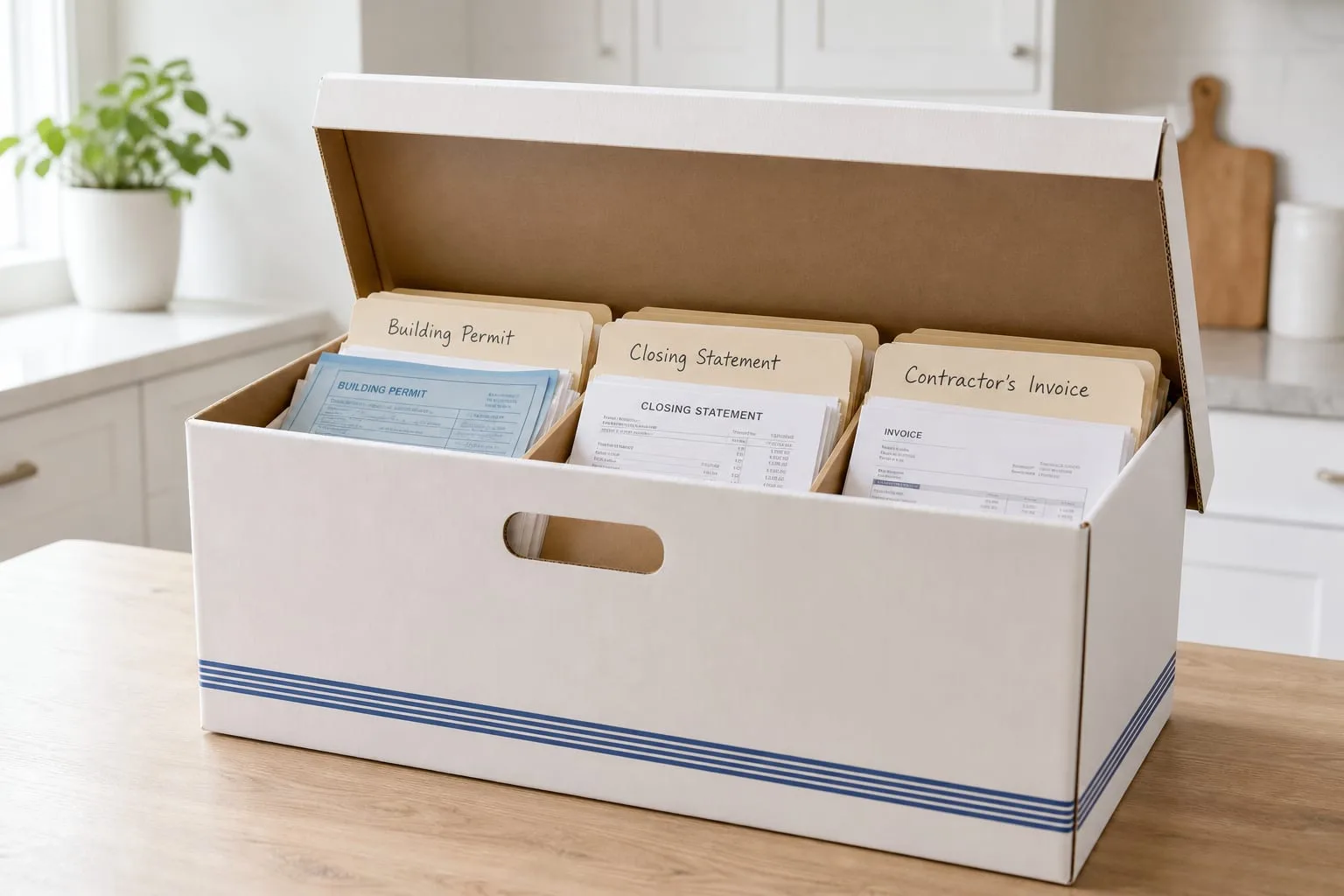
Ask ten households how long they keep paperwork and most will say seven years, with a shrug attached. It is a durable number, repeated by tax preparers, bank websites and the label on the accordion file itself, and it is not wrong so much as narrow. Seven years answers one question: how long the federal government might reasonably come back and ask about a return you already filed. It says nothing about the closing package on your house, the permit for the deck, the invoice proving a contractor was paid, or the receipt that keeps a warranty alive. Those live on different clocks entirely.
The seven-year habit answers one question and gets credited for all of them
The federal audit window is the origin of the number, and the Internal Revenue Service is the authority responsible for setting how long it can look back at a filed return. The general window is shorter than seven years; the longer figure is a cushion people adopted because the window stretches under certain circumstances, and because nobody wants to be the person who shredded early. What matters for practical purposes is that the clock runs from the filing, not the tax year, and that it applies to a specific category of paper: the return, the forms that supported it, and the substantiation behind any deduction claimed. Everything else in the box is riding along by accident.
The gap between guidance and practice usually runs the other way from what you would expect. People do not throw records out too early. They keep everything, in unsorted piles, and then cannot find the one document that a claims adjuster, a title company or a state revenue agent actually asks for. Volume is not retention. A garage full of statements you cannot search is functionally the same as having shredded them, and it costs storage, moving-truck space and an afternoon of dread every time something needs proving.
Your state can usually ask for longer than the federal window allows
This is where the single national rule of thumb falls apart. State revenue departments set their own assessment periods, and several run longer than the federal one, sometimes by a year or two and sometimes indefinitely where no return was filed at all. States with no income tax shift the exposure elsewhere, into sales and use tax, franchise or excise filings, or the personal property tax on vehicles and business equipment that some jurisdictions still levy. If you moved during the years in question, you now have two states with an interest and two different clocks, and the one you left is often the more persistent of the pair.
The practical move is to find out, once, what your state's look-back period actually is, and to set your household retention to the longer of the two rather than to the number you heard. Your state department of revenue publishes this. It takes one search and it settles the question for as long as you live there. Households that do this generally end up keeping less paper overall, not more, because they stop hedging with an extra decade of bank statements nobody will ever request.
Some records are tied to an asset, and the clock does not start until you sell
The closing statement from a house purchase, the invoice for the new roof, the permit and final inspection card for the finished basement: none of these age out on a calendar. They matter when you sell, because they establish what you paid and what you added, and the relevant window does not open until that sale is reported. A receipt from 2009 can be the document that changes the number on a return filed in 2031. The same logic covers a car title, a vehicle's major repair history, an inherited asset's valuation at the date of death, and the paperwork behind any retirement account contribution that was made with money already taxed.
Improvement records also carry weight nobody plans for. An adjuster pricing a loss will accept a paid invoice describing what was installed far more readily than a homeowner's recollection, and a buyer's inspector who finds unpermitted work is easier to satisfy with a closed permit than with an assurance. Keep the permit, the final sign-off and the contractor's paid invoice together, one folder per project, and the folder outlives the improvement.
Local rules quietly set retention periods of their own
Below the state level, the requirements get specific and largely unadvertised. Mechanic's lien periods vary by state and decide how long a paid invoice and a lien waiver stay worth having, because an unpaid subcontractor can cloud your title after the general contractor has cashed your check. A homeowners association may require evidence of architectural approval for work done years ago, and the association's own records are often thinner than yours. Cities with rental registration, short-term rental permits or point-of-sale inspection rules expect the owner to produce the certificate, not the clerk. Municipal utilities settle billing disputes on the customer's meter photographs more often than anyone admits.
None of that requires a filing system. It requires knowing which of your records exist to satisfy someone with a specific remit, and keeping those, sorted by who can ask, for as long as that person's authority runs. A scanned copy in two places counts, and searchable beats complete.
The useful question is not how long to keep things. It is who might ask, what they will accept as proof, and when their window closes. Answer that once for your state and your property, and most of the box can go.