Health
Twenty-Four Visits, Two Clinics, One Shoulder. What Actually Changed the Bill
A single course of physical therapy, run twice at two clinics, shows what a plan of care really costs in dollars, hours and workdays, and which decisions move the number.
HealthYolanda Escamilla
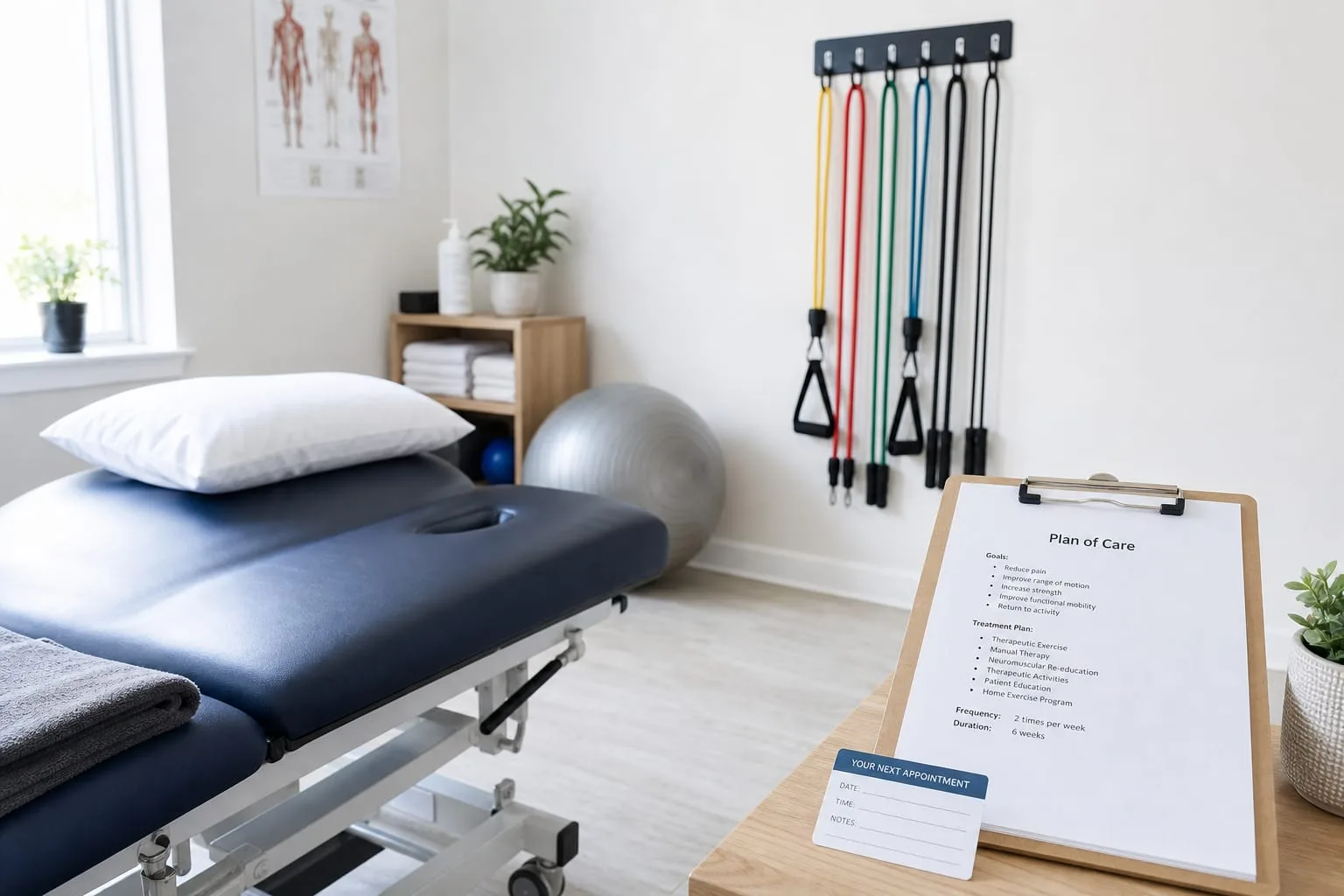
The number a clinic gives you on the phone is almost never the number you pay, and the reason is rarely dishonesty. It is that the phone number describes a visit and the bill describes a plan of care: how many visits, how many billed units inside each visit, who signs the re-evaluation, and whether the authorization is still alive in week five. I have sat through enough courses of treatment, my own and my parents', to have stopped asking what a session costs. The better question is what the whole arc costs, in dollars and in workday hours, and which choices along the way move it.
The same shoulder, run twice
The case worth reporting is a rotator cuff repair that generated two separate courses of physical therapy in the same calendar year, at two different clinics, for the same person. The first course ended early and badly, not because the shoulder failed but because the paperwork did. The second course finished the plan. Same surgeon, same diagnosis codes, same insurance card. The difference in total cost was not a difference in hourly rates. It was a difference in how each clinic handled the parts of the job that happen when the patient is not in the room.
The first clinic quoted a per-visit coinsurance figure at intake and wrote a plan of care for three visits a week for eight weeks. Twenty-four visits. Nobody at the front desk mentioned that the insurer had authorized twelve, that the twelfth would trigger a re-authorization requiring the therapist's progress note, or that the therapist in question was covering two locations and dictated notes on Fridays. At visit thirteen the claim came back unpaid. The clinic billed the patient directly and offered a payment plan, which is what a barely adequate job looks like from the inside: technically correct, entirely reactive.
What the hours actually were
Money is the part people compare. Time is the part that decides whether a course of treatment gets finished, and it is almost never quoted. The first clinic booked at ten in the morning and two in the afternoon, the slots nobody wants, because the early and late blocks were held for a physician group's referrals. Each appointment was forty minutes of treatment. Around it sat twenty-five minutes of driving each way, a wait that ran ten to twenty minutes because the therapist was double-booked, and the tail end of a workday that no longer held a meeting anyone could schedule.
Count it honestly and a forty-minute session was a two-hour absence, three times a week, for what was supposed to be eight weeks. That is the real invoice. Twelve completed visits cost roughly twenty-four hours of daytime availability, most of it paid leave or made up at night. When the authorization lapsed and the course restarted elsewhere, the sunk cost was not the coinsurance already paid. It was the leave already spent on a plan that stopped short of the point where the shoulder would have held its gains.
What the second clinic did differently
The second clinic did four things before the first appointment, and each of them was administrative rather than clinical. It ran a benefits verification and read the result back over the phone: the visit limit for the plan year, how many of those visits the first clinic had already consumed, the coinsurance, and the fact that the deductible was met, which changed the arithmetic considerably. It confirmed the authorized visit count in writing. It scheduled the initial evaluation for a full hour rather than folding it into a treatment slot. And it assigned one therapist, named, for the whole course.
That last item is the one patients undervalue and practitioners know is decisive. A course of care handed between three clinicians regenerates itself every few weeks: the same range-of-motion measurements taken again, the same explanation of what hurts, the same cautious reintroduction of load by someone who did not watch the last attempt. Continuity is not a comfort feature. It compresses the visit count, because the plan advances instead of restarting, and visit count is the single largest driver of what the course costs.
The second clinic also tapered deliberately. Three visits a week for two weeks, then two, then one, with a written home program that carried the load in between and a standing instruction to call if a given progression stalled. Twelve visits, spread over seven weeks rather than four, finished the rehabilitation that twenty-four scheduled visits had not. The clinic was not cheaper per visit. It was cheaper per outcome, and it gave back the afternoons.
The four things that moved the number
Billed units are first. A visit is not a price; it is a container for timed and untimed billing codes, and two clinics treating the same shoulder for the same forty minutes can submit meaningfully different claims depending on how much of that time is one-on-one skilled work and how much is exercise performed unsupervised in the gym area. The Centers for Medicare and Medicaid Services is responsible for the documentation and billing framework that most commercial insurers mirror, and the practical effect for a patient is that the intensity of the session and the size of the claim are linked. Ask what a typical visit bills.
Authorization is second, and it is where the first course died. Someone in the building has to own the re-authorization: watch the visit counter, request the progress note in advance of the threshold rather than after it, and tell the patient the moment a payer goes quiet. A clinic that does this well will say so unprompted, usually by naming the person who does it. A clinic that does it badly will discover the problem on your statement, which is the most expensive place for it to surface.
Third is the plan year. A course of treatment that straddles January is two different financial events, because the deductible resets, the visit allowance resets, and a patient who has met their obligation in November faces the full share again in January. Front-loading visits into December, when clinically sensible, is a legitimate and unremarkable piece of planning that good schedulers raise on their own. So is the reverse: delaying the start of an elective course by three weeks so the whole arc falls inside one allowance.
Fourth is the setting. The identical treatment delivered in a hospital outpatient department and in an independent practice can carry different facility charges, and the referral you were handed at discharge usually points at the former because that is where the surgeon's group has an arrangement. Referrals are recommendations, not assignments. Calling two clinics and asking both to verify the same benefits takes about forty minutes and is the highest-yield time anyone spends on a course of care.
What to ask before the first appointment
The questions that separate the two clinics in this case are all answerable in a single phone call, and the quality of the answers is itself the signal. Will one therapist carry the whole course. How many visits has my plan authorized, and who tracks the count. What does a typical visit bill, and what is my share after the deductible. Which appointment blocks are genuinely open, not just technically available. When does the taper begin, and what does the home program look like. A clinic that has these answers ready has run the process many times and knows where it breaks.
The shoulder recovered. It recovered on the second attempt, with half the scheduled visits and a fraction of the daytime hours, because the second clinic treated the administrative half of the job as part of the treatment rather than as billing that happened afterward. That is the whole difference between a good course of care and a barely adequate one, and it is visible before you ever change into shorts.